


Change in law often sounds as if we have paperwork, compliance and deadlines but the New Labour codes are much more than that. They are another structural change for business management and labour relations for an organization in India. Organizations must have processes for New Labour Codes Implementation 2025-26 to know how these laws will succeed without being at the expense of their businesses’ operations.
Let’s break it down in a simple, practical way.
Understanding the Foundation of New Labour Codes
The new list of labour codes consolidates 29 existing labour laws into 4 simplified codes:
- Code on Wages
- Industrial Relations Code
- Social Security Code
- Occupational Safety, Health and Working Conditions Code
The goal is clear being simplification, transparency and ease of doing business while protecting employee rights.
For companies, this means fewer laws to track, but greater accountability in execution.
Why New Labour Codes Implementation Needs a Strategic Approach
Implementing these changes is not just a compliance task-it’s a transformation exercise. The New Labour Codes Implementation will impact:
- Salary structures
- Employee benefits and PF contributions
- Working hours and leave policies
- Contractual workforce management
Without a structured roadmap, businesses may face confusion, compliance risks and employee dissatisfaction.
Step-by-Step Roadmap for Smooth Implementation
A thoughtful and phased approach can make all the difference.
1. Compliance Gap Assessment
Start by reviewing your current HR policies, payroll structures, and employment contracts. Identify gaps between existing practices and the new labour codes requirements.
2. Restructuring Salary Components
One of the biggest changes is the definition of “wages.”
- Basic salary may need to be at least 50% of total CTC
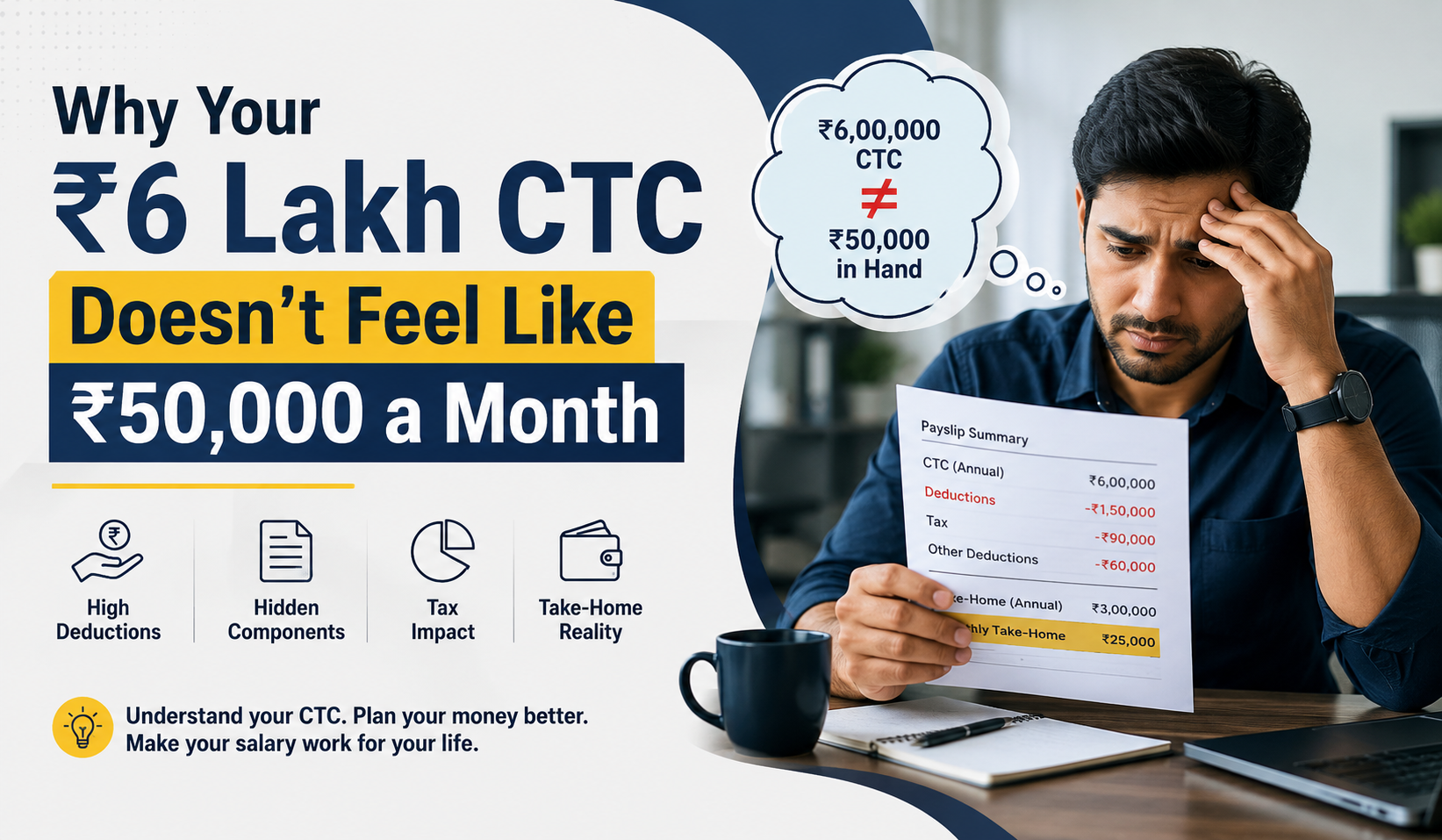
- This will directly impact PF, gratuity, and take-home salary
Planning this transition carefully is key to avoiding employee concerns.
3. Policy Realignment
Update internal policies related to:
- Working hours
- Overtime
- Leave structures
- Code of conduct
This ensures alignment with New Labour Codes Implementation 2025-26 guidelines.
4. Technology & Payroll Readiness
Manual systems won’t be enough. Businesses should:
- Upgrade payroll software
- Automate compliance tracking
- Ensure accurate statutory calculations
Digital readiness will play a major role in seamless execution.
5. Employee Communication
Change can create uncertainty. Transparent communication helps:
- Build trust
- Explain salary restructuring
- Address employee queries
A well-informed workforce adapts faster and more positively.
Challenges Businesses May Face During Transition
While the intent behind the New labour codes is progressive, implementation can bring challenges:
- Increased compliance complexity initially
- Cost implications due to higher social security contributions
- Resistance from employees due to changes in take-home salary
- Need for continuous monitoring and updates
This is where expert guidance becomes valuable to ensure a smooth transition.
The Role of Expert Advisory in Implementation
Professional advisory firms, like those aligned with Kapgrow’s approach, help businesses move beyond confusion and into clarity. Their expertise ensures:
- Accurate interpretation of laws
- Customized compliance strategies
- Risk mitigation
- End-to-end implementation support
Instead of reacting to changes, businesses can plan proactively and stay ahead.
Preparing for New Labour Codes Implementation 2025-26
With timelines approaching, companies should not wait for last-minute notifications.
Preparation today ensures:
- Zero compliance shocks
- Better financial planning
- Stronger employee relationships
- Smooth operational continuity
The focus should be on readiness, not urgency.
Hence the New Labour codes are more than just a legal update, rather, a move forward more orderly, transparent and employee-friendly. A well-controlled New Labour Codes Implementation strategy can create business advantage from a regulatory change.
We are getting closer to New Labour codes implementation 2025-26 and organisations who act early, adapt smartly and find the right advice will maintain the compliance but develop better-suited workplaces for a better future.