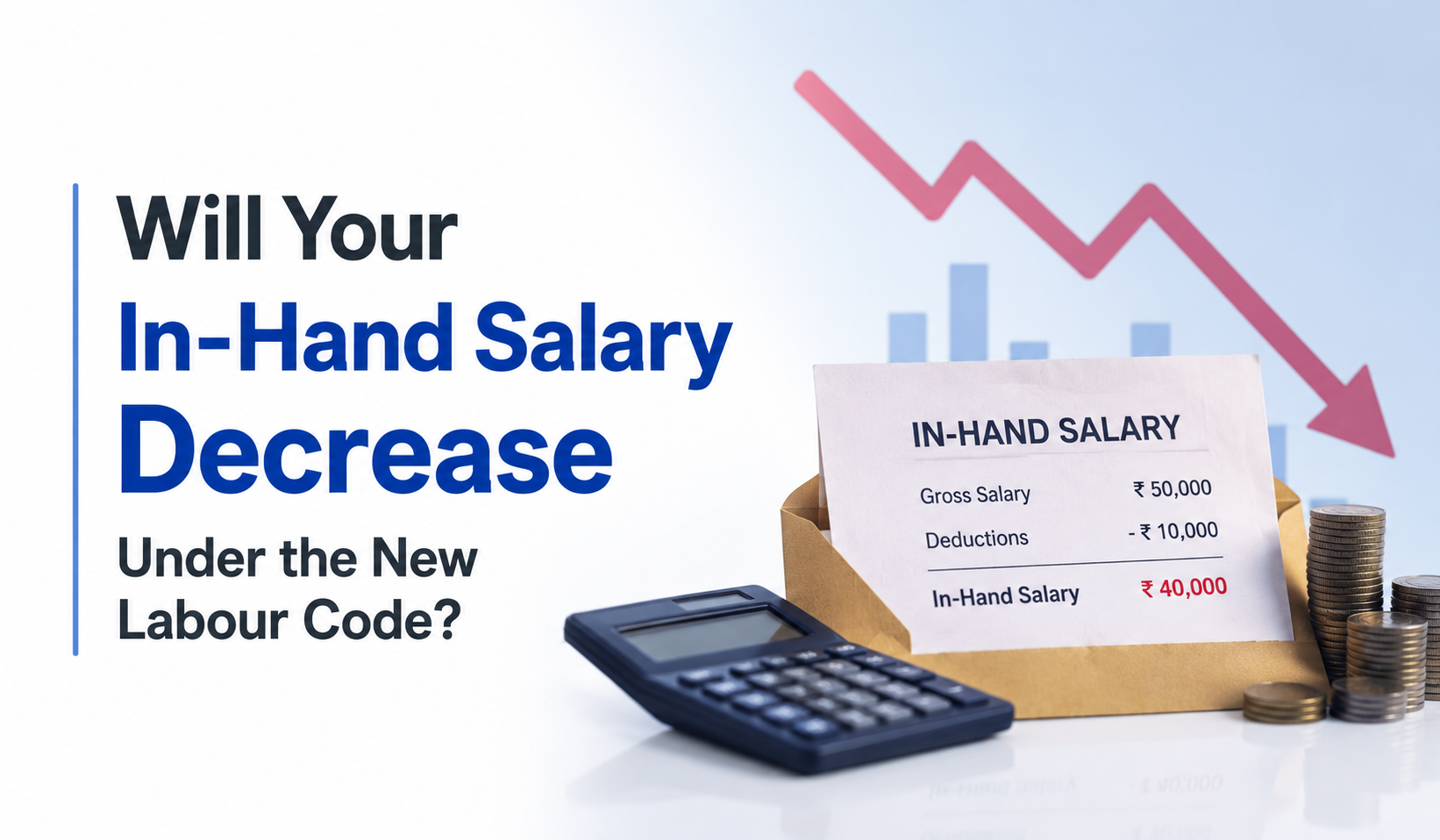



Under the new salary structure 2026, employers need to review how salaries are broken up because the definition of wages has changed. In simple words, at least 50% of the total salary of an employee should be basic pay and some components of wages. This directly affects PF, gratuity, payroll cost and the salary that an employee finally takes home.
For HR teams, this is not another basic compliance update. It changes the way compensation has to be designed, communicated and managed across the organisation. A few years ago, salary restructuring was often considered an annual payroll exercise. HR would tweak allowances, update increment letters, and move on. That approach doesn't really work anymore.
The wage-related provisions under India's labour reforms have pushed compensation planning into a much bigger conversation; one that involves compliance, employee communication, budgeting and workforce planning all at once.
Why Is Everyone Talking About Salary Restructuring?
The reason is fairly straightforward. Under the revised wage framework, employers can no longer rely heavily on allowances to keep the basic salary portion low. The wage definition requires that wages, including basic pay and certain other components, account for at least 50% of total remuneration. For many organisations, that means existing salary structures may need adjustments. And this is where HR comes in.
The 50% Rule Sounds Simple. The Impact Isn't.
On paper, the rule looks easy to understand. In practice, it affects several areas at once:
- Provident Fund calculations
- Gratuity liabilities
- Leave encashment
- Overtime calculations
- Cost-to-company planning
- Employee communication
A salary breakup that worked perfectly a few years ago may no longer align with the revised wage definition. The challenge is not understanding the rule, but understanding the ripple effect.
What Changes Under the New Salary Structure?
Imagine two employees earning the same CTC.
Earlier, one company might have kept basic pay at 30-35% of salary and distributed the rest through allowances. Under the revised framework, that flexibility becomes much narrower.
As a result, many organisations moving toward the new salary structure are noticing:
- Higher PF-linked calculations
- Increased gratuity accruals
- Changes in payroll budgeting
- Slight adjustments in monthly take-home pay
Employees often focus on the last point first. HR professionals, however, need to look at the complete picture.
The Conversation Employees are Already Having
One interesting thing happening across workplaces is the confusion around take-home salary. Employees see higher PF deductions and immediately assume they're losing money. That's not entirely accurate.
In many cases, a portion of what previously appeared in monthly cash compensation is now moving into long-term benefits such as provident fund and gratuity. Several payroll analyses show that retirement-linked savings may increase even when monthly in-hand salary sees some adjustment. This is where communication becomes just as important as compliance.
What Should HR Teams Review Right Now?
Rather than waiting for payroll issues to surface, HR leaders should proactively review:
- Compensation Structures
Check whether existing salary components align with current wage definitions. - Payroll Systems
Many legacy payroll setups were built around older compensation models and may require updates. - Employee Documentation
Offer letters, salary annexures and compensation policies should reflect revised structures where applicable. - Cost Forecasting
Changes in statutory calculations can influence workforce costs over time.
A Small Change That Feels Bigger Than It Looks
The new wage code 2026 is often discussed as a payroll change. In reality, it touches multiple business functions.
- Finance looks at cost impact.
- Employees look at take-home pay.
- Leadership looks at workforce planning.
- HR sits right in the middle of all three.
That is why salary restructuring today is not simply about changing numbers on a payslip. It's about creating compensation models that remain compliant, transparent and sustainable over the long term.
Summary
The new salary structure 2026 is making organisations across India rethink compensation planning. While the changes may seem technical, they affect payroll, compliance, budgeting and employee experience. For HR professionals, the thrust would be on grasping the ramifications early, communicating them clearly and creating salary structures that align with changing labour laws. Building future-ready HR systems is still a key part of what we do at Kapgrow, helping businesses navigate these workforce and compliance changes.