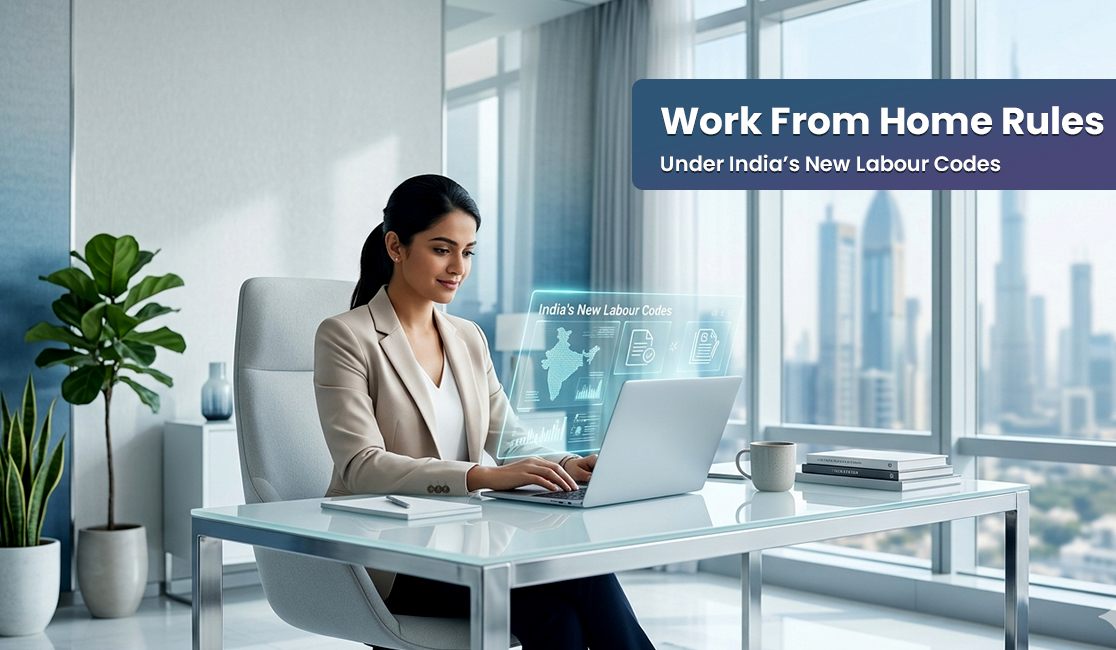



Remote work in India has moved far beyond being a temporary workplace adjustment. What began as an emergency response has now become a long-term operating model for startups, IT companies, consulting firms, and even traditional businesses. As more organisations adopt hybrid and remote setups, conversations around employee rights, working hours, compliance, and workplace accountability have become far more serious than they were a few years ago.
That shift is exactly why the evolving work-from-home policy India framework and the country’s new labour codes are drawing growing attention from both employers and employees alike.
Kapgrow Corporate Advisory Services regularly help businesses understand how changing labour regulations may affect remote workforce structures, compliance requirements, and HR policies.
Why Remote Work Rules Suddenly Became Important
For a long time, Indian labour laws mostly assumed employees worked from physical offices or factories. Then remote work exploded almost overnight.
Companies started hiring across cities without opening branches. Employees relocated closer to family. Meetings shifted online. And somewhere in between, businesses realised they needed proper guidelines instead of “informal flexibility.” Because honestly, unclear work arrangements create confusion fast.
Questions like these became common:
- Are remote employees eligible for overtime?
- Can companies track work hours digitally?
- Who handles workplace safety at home?
- What happens during data breaches?
- Are employers responsible for equipment costs?
The newer labour codes attempt to modernise some of these grey areas, even though implementation across states still continues gradually.
What India’s New Labour Codes Actually Say About WFH
Here’s the important thing: India’s labour codes don’t provide one single giant “remote work law.” Instead, work-from-home practices intersect with several labour and employment regulations together. That’s why businesses often review:
- Working hour compliance
- Occupational safety obligations
- Wage regulations
- Employee welfare provisions
- Digital attendance systems
- Contract structures
The evolving remote work laws India environment mainly focuses on balancing flexibility with employee protection.
Working Hours Still Matter, Even from Home
A lot of employees assume remote work automatically means flexible timing without restrictions. Not exactly.
Under the labour codes, employers still need to maintain reasonable working hours and overtime compliance wherever applicable. Just because someone works from their living room doesn’t mean labour protections disappear. In practice though, this gets tricky.
Many employees now work beyond standard office timings without realising it because home and office boundaries blur together. Companies are gradually creating clearer digital attendance and work-hour tracking systems to manage this issue better.
Employers Still Have Responsibilities
Remote work doesn’t completely remove employer obligations either. Businesses are increasingly expected to consider:
- Employee wellbeing
- Data protection standards
- Cybersecurity protocols
- Safe working conditions
- Clear communication policies
For example, if employees regularly use personal devices for company work, businesses may need stronger internal IT and privacy policies than before.
The legal side of remote work is no longer just about “allowing flexibility.” It’s becoming part of operational compliance itself.
Why Employment Contracts Are Becoming More Detailed
Older appointment letters rarely discussed remote work in detail because it simply wasn’t common.
Now companies often include:
- Work location flexibility clauses
- Equipment usage policies
- Confidentiality expectations
- Remote attendance procedures
- Reimbursement structures
This helps avoid confusion later on, especially in hybrid workplaces where employees regularly switch between office and home setups. With companies moving towards more structured remote-work documentation with discussions around the newer labour code WFH rules, there is a lot of going back to the drawing board with old policies by a lot of HR teams.
Hybrid Work Is Probably Here to Stay
Some companies have returned fully to office operations. Others haven’t. A large number now sit somewhere in the middle like hybrid schedules, flexible attendance, partial remote teams. And realistically, that model may continue for years because employees increasingly value flexibility alongside salary and benefits.
But flexibility works best when expectations are clearly defined on both sides where updated policies matter.
Summary
Remote work sounded temporary at first, but businesses now know it’s become part of long-term workforce planning. The challenge isn’t simply allowing employees to work from home anymore. It’s creating policies that stay legally compliant while still feeling practical for real teams and real work situations. As businesses continue adapting to hybrid models, understanding the changing work from home policy India landscape will only become more important moving forward.
At Kapgrow Corporate Advisory Services, businesses often seek guidance on structuring remote workforce policies that remain practical while staying aligned with evolving compliance expectations.