


2026 is not just another year for Indian businesses it’s a turning point. The way companies hire, pay, manage compliance, and even maintain workplace records is changing fast. And if you’re an employer or HR professional, you’ve probably already heard the buzz around the New Labour Codes. But beyond the headlines, these updates will directly affect daily operations from salary structures to employee benefits and workplace safety.
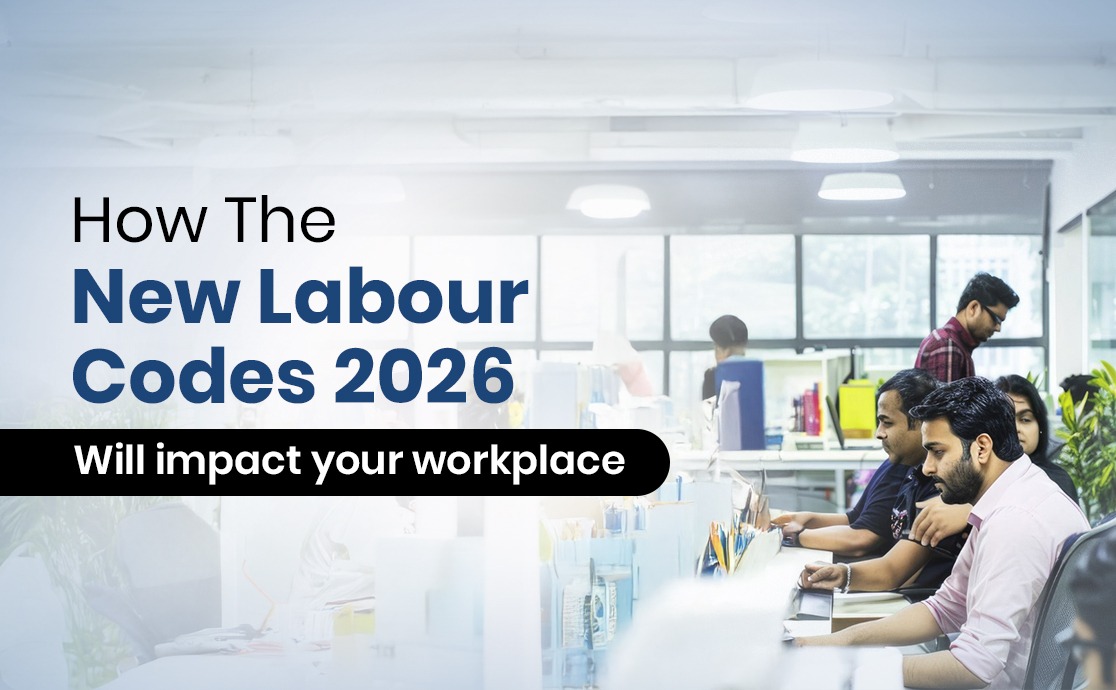
The truth is simple: the New Labour Codes Impact 2026 will be felt in every workplace, whether you’re running a startup team of 20 or managing a workforce of 2,000.
The Big Shift from Old Rules to New Systems
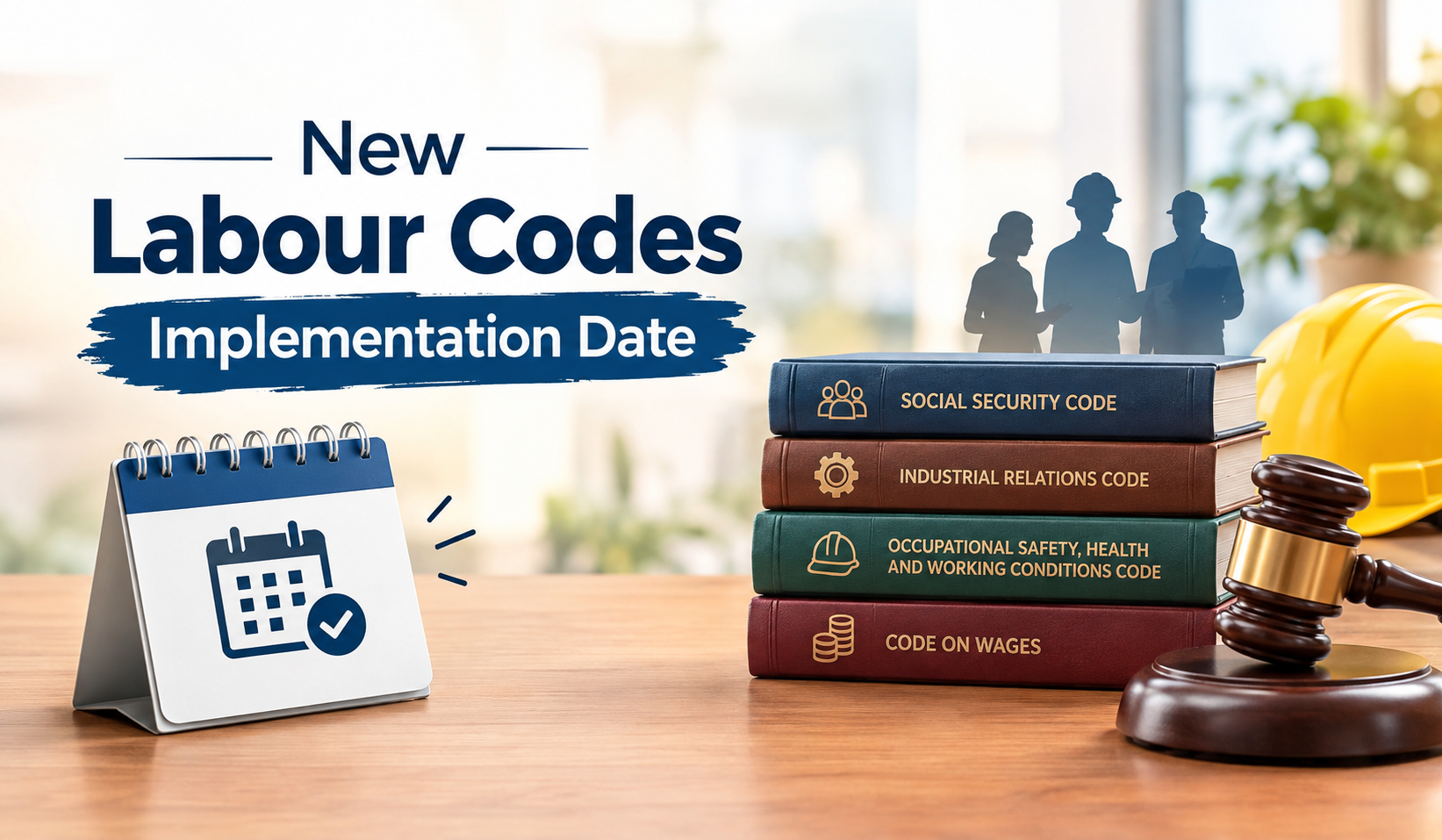
For years, labour laws in India felt scattered as different acts, multiple registrations, confusing compliance requirements, and paperwork that never seemed to end. The New Labour Codes are meant to bring everything under a more organised framework by merging multiple laws into four main codes.
These codes focus on:
- Wages and salary standards
- Social security benefits
- Industrial relations and dispute management
- Workplace safety and working conditions
This shift sounds cleaner on paper, but it also means businesses must realign internal processes quickly to stay compliant.
The Impact of New Labour Codes on Employers
The Impact of New Labour Codes on employers is mostly about structure, accountability, and cost planning. One major update is the new wage definition, which affects how companies calculate Provident Fund and gratuity.
This means employers may need to:
- Review salary breakup formats (especially allowance-heavy structures)
- Update payroll systems and HR policies
- Strengthen documentation like appointment letters and contracts
- Maintain digital compliance records more consistently
- Plan budgets better due to increased statutory contributions
It’s not about panic but it’s about preparation. Companies that adapt early will avoid last-minute compliance stress.
The Impact of New Labour Codes on Employee
For employees, the changes are more personal. The Impact of New Labour Codes on employee includes better long-term security, clearer wage protection, and stronger safety expectations at work.
Employees can benefit through:
- More standardised wage definitions and fairer salary structures
- Better access to PF, gratuity, and social security coverage
- Wider inclusion of gig workers and contract workers in benefit systems
- Improved workplace safety rules and health provisions
- Clearer terms of employment with written documentation
In short, employees may see stronger financial protection, especially over the long run.
Everyday Workplace Changes You’ll Actually Notice
While labour codes sound like “legal talk,” their impact shows up in very real workplace routines.
Some changes that businesses may notice include:
- More formal HR documentation even for short-term roles
- Cleaner systems for attendance, wage slips, and registers
- More compliance focus during audits and inspections
- Better-defined policies around working hours and conditions
- Increased emphasis on safety measures and employee well-being
And yes, these changes will affect both HR teams and business owners in their day-to-day work.
Staying Ahead with Kapgrow’s Support
This is where the right guidance makes all the difference. Kapgrow helps organisations understand the New Labour Codes Impact 2026 without drowning in legal complexity. From payroll restructuring to compliance audits and HR process upgrades, the goal is simple: keep your business aligned, protected, and future-ready.
Because compliance shouldn’t feel like a burden, it should feel like a smart business system that supports growth.
The New Labour Codes are not merely a policy update as they are a new way of running workplaces in India. When handled properly, they can create healthier employer-employee relationships, clearer salary structures, and more stable work environments. The sooner businesses understand the Impact of New Labour Codes on employers and the Impact of New Labour Codes on employee, the smoother the transition will be.