



In 2026, a business is no longer just a way to simply “get the job done”. It’s about moving into a whole new legal world. If you are an employer in India, you’ve likely felt the ground shift beneath your feet with the recent rollout of the New Labour Codes. Gone are the days of sorting out dozens of fragmented, colonial-era laws: now it is time for a streamlined but strict framework that demands immediate attention.
But is your organization really prepared or merely checking off that box? At Kapgrow, we have seen firsthand how these changes impact everything from your monthly payroll to your long-term talent strategy. Let’s strip away the legal struggle and look at what New Labour Codes 2026 compliance actually means for your workplace.
The Core Four: A Simplified Legal Shield
The government has consolidated 29 complex laws into four concise codes. This isn't just a "cleanup" act; it’s a fundamental change in how the employer-employee relationship is governed in India.
- Code on Wages: Standardizes "minimum wages" for everyone (not just specific industries) and ensures you get paid on time.
- Social Security Code: This is a game-changer. It gives benefits like PF and insurance to gig workers and freelancers who were previously left out.
- Industrial Relations Code: Aims to make hiring and dispute resolution more transparent and less "messy" for both sides.
- OSH Code: Elevates workplace safety from a "good-to-have" to a mandatory standard of well-being.
The 50% Rule: A New Way to Look at Salaries
One of the most talked-about shifts in the New Labour Codes is the revised definition of "Wages." The law now mandates that an employee’s basic salary must be at least 50% of their total remuneration.
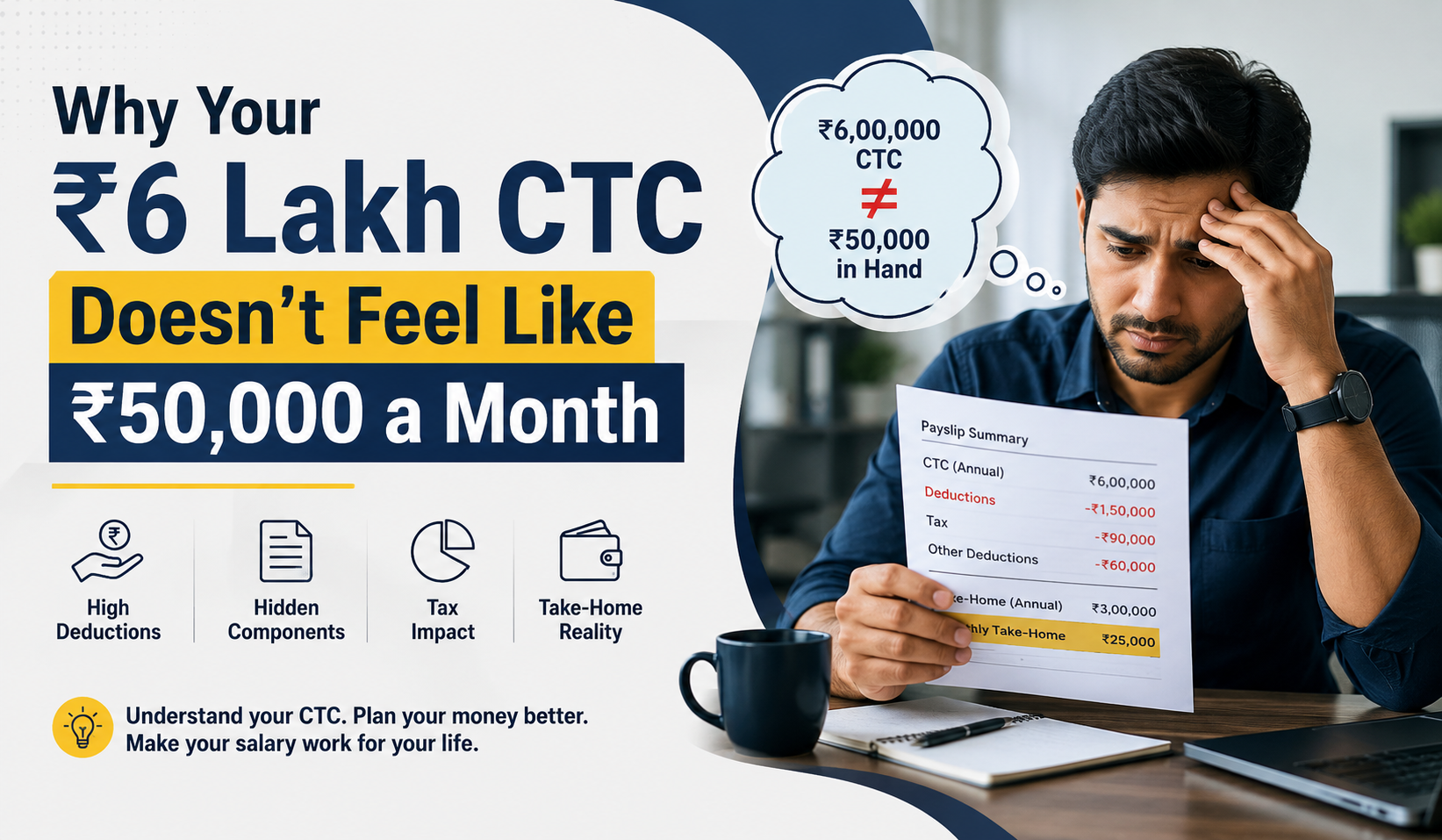
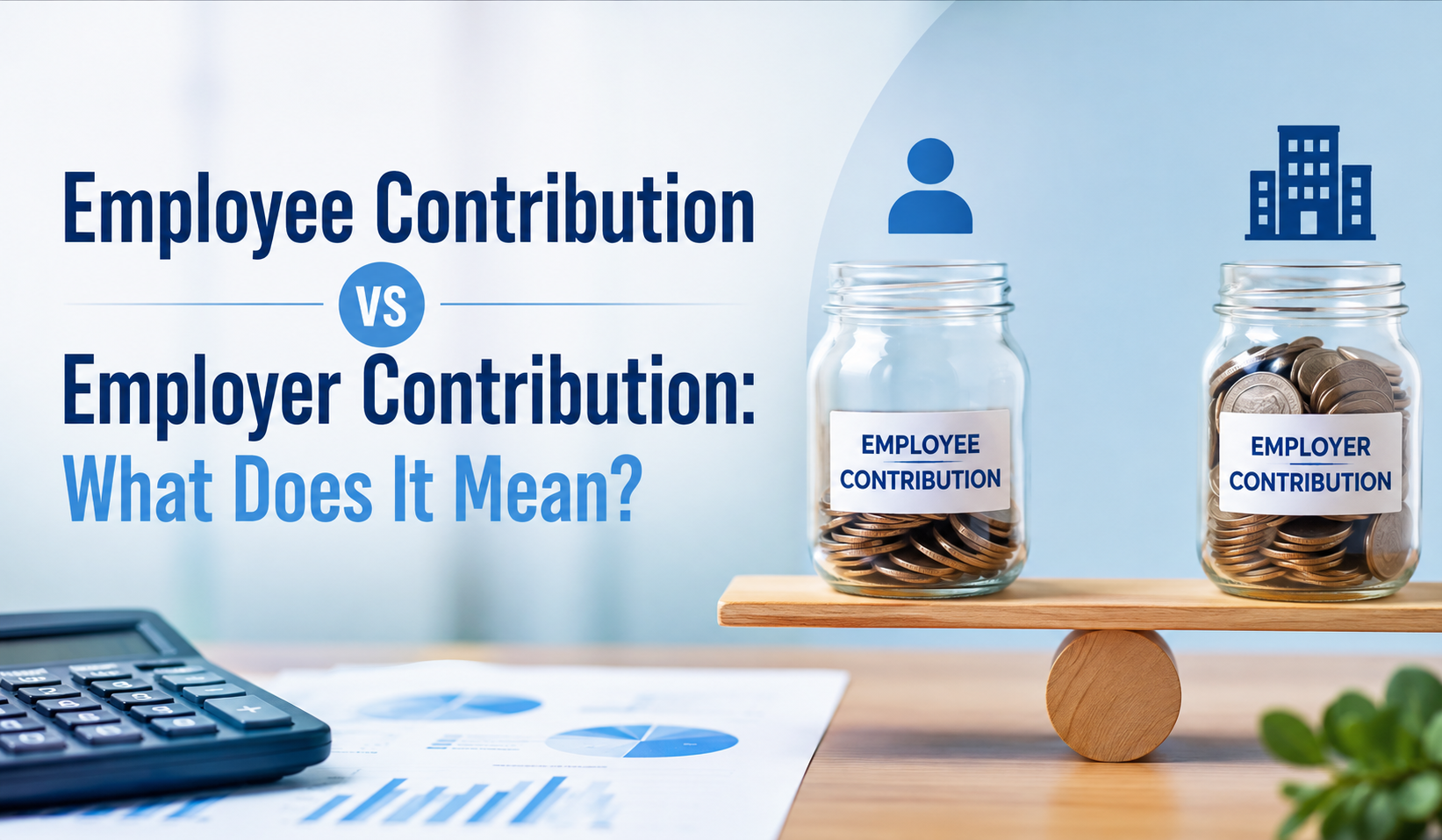
Why does this matter? If your current salary structure is "allowance-heavy," your contributions toward Provident Fund (PF) and Gratuity will likely increase. For employees, this means better long-term savings, but for employers, it requires a significant recalibration of the Cost-to-Company (CTC).
Your New Labour Codes 2026 Compliance Checklist
The new system isn’t something that rolls out overnight. Here are the key actions you need to take now to keep your business in line with the law:
- Audit Your Pay Structure: Review the components of your salary against the 50% wage threshold.
- Update Appointment Letters: Every single employee-including fixed-term and contract staff-must now have a formal appointment letter with clear terms.
- Check Gratuity Eligibility: Fixed-term employees are now eligible for gratuity after just one year of service, rather than five.
- Digital Record Keeping: Move your attendance and wage registers to a digital format. The government is shifting toward a "one-portal" system for all filings.
- Annual Health Checks: Establishments are now obligated to provide free annual health check-ups for workers over a certain age.
Why Proactive Compliance is Your Best Growth Strategy
Ignoring these updates isn't just a legal risk-it’s a business risk. Non-compliance in 2026 can lead to heavy fines, but more importantly, it can damage your reputation in an era where top talent follows trust.
At Kapgrow, we believe that compliance should be a bridge to growth, not a barrier. We help organizations move beyond the "fear of fines" by building robust HR and legal frameworks that are future-proof. Whether it’s transition training, payroll restructuring, or a full-scale compliance audit, our experts ensure you are not just following the law-you are leading with it.
The New Labour Codes are already in motion, and the window for "wait and see" has closed. Don't let a small oversight turn into a major legal hurdle. Want to ensure your roadmap is clear? Connect with the experts at Kapgrow today for a comprehensive compliance audit or to join our next workshop on navigating the New Labour Codes. Let’s build a compliant and prosperous future together!