


The way we work in India has evolved, and so have the rules. Following years of murky legislative muddling, the government has launched the New Labour Codes to bring the web of nearly 30 old laws into focus. But what actually changes for you behind the legal jargon? Let us dissect this in simplest way.
What Are the New Labour Codes?
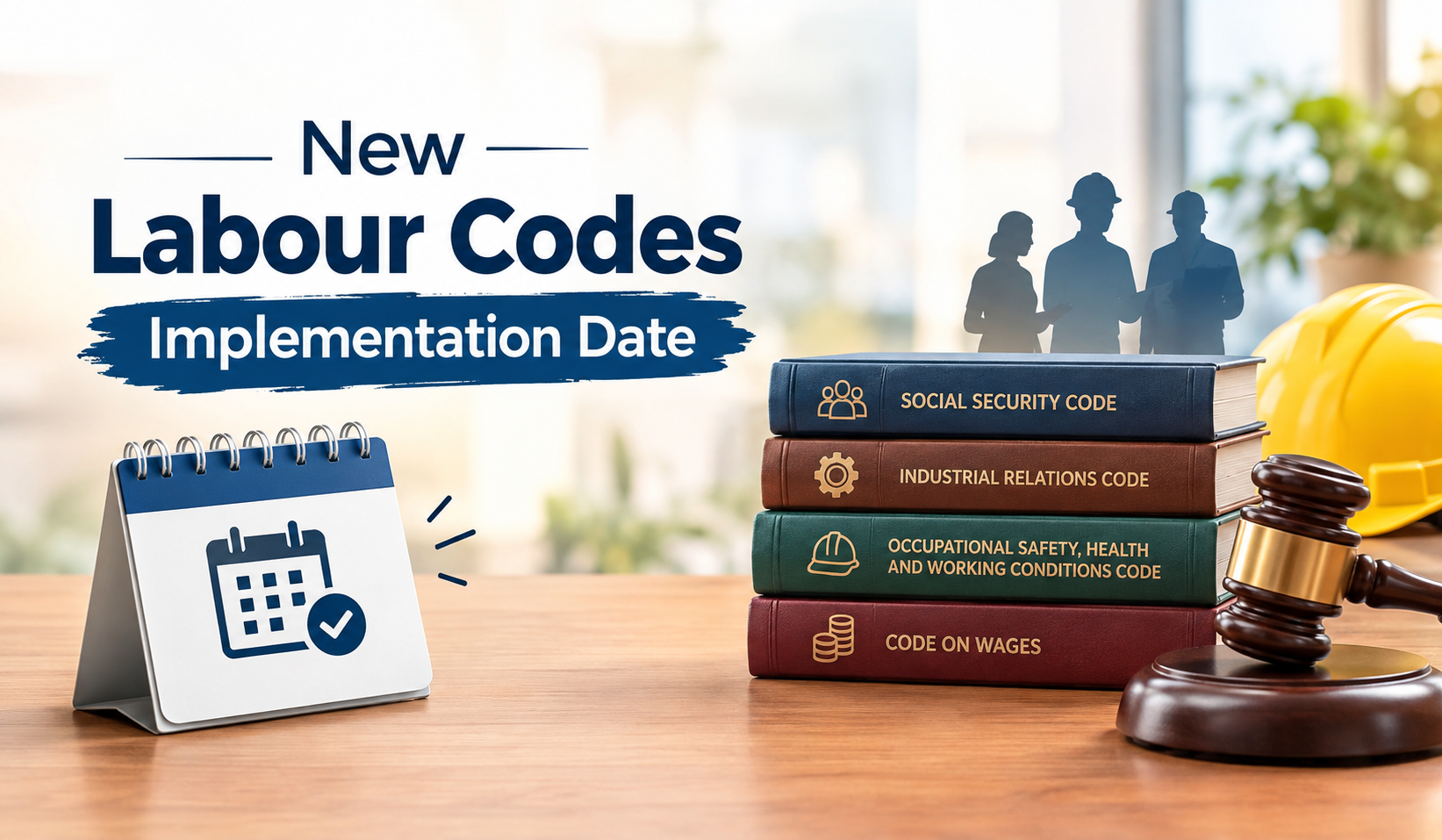
India has been passing various, different labour laws for decades, some from a different time period, but for decades, India was juggling over 40 different labour laws. They were a nightmare for HR to manage, and employees found them hard to grasp. The new labour code in India pulls these into four distinct groups:
- The Wage Code: Concentrates on standardizing minimum wages and that people are paid in a timely manner, irrespective of industry.
- Industrial Relations Code: This policy will make hiring or job cuts more transparent, and simplify the rules for settling office disputes.
- Social Security Code: This one is huge. It extends benefits like PF, gratuity and insurance to more people including gig workers (like delivery partners, freelance consultants) who were until recently shut out.
- Occupational Safety & Health (OSH) Code: Backs up a higher standard for workplace safety and makes “well-being” law and not just a buzzword.
Why Should You Care About Compliance?
If you're running a business, compliance isn't just a "nice-to-have" badge, it’s your license to operate. Since the official rollout on November 21, 2025, the government has made the process digital and faster, but they’ve also made the penalties much sharper.
For employees, these codes are your shield. They protect your rights to timely pay and social benefits. Especially for young professionals in Noida or corporate clusters of Delhi, understanding these rules means that you are not being short-changed in your employment terms.
The Risks of Ignoring the New Labour Codes
Ignoring the transition isn’t just risky; it comes with hefty prices.
- Legal & Financial Heat: Non-compliance could result in heavy fines (sometimes up to ₹50,000 for a first offense) or legal fights that consume your resources.
- Operational Mess: Unclear policies surrounding new working hours and definition of wage can breed anger and high rates of employee turnover.
- Reputation Hit: In 2026, talent follows trust. If your clinic or company isn't compliant, you'll find it harder to hire the best people.
Are You Actually Ready?
We know that reading through hundreds of pages of government PDFs is the last thing you want to do on a weekend. That’s where we come in.
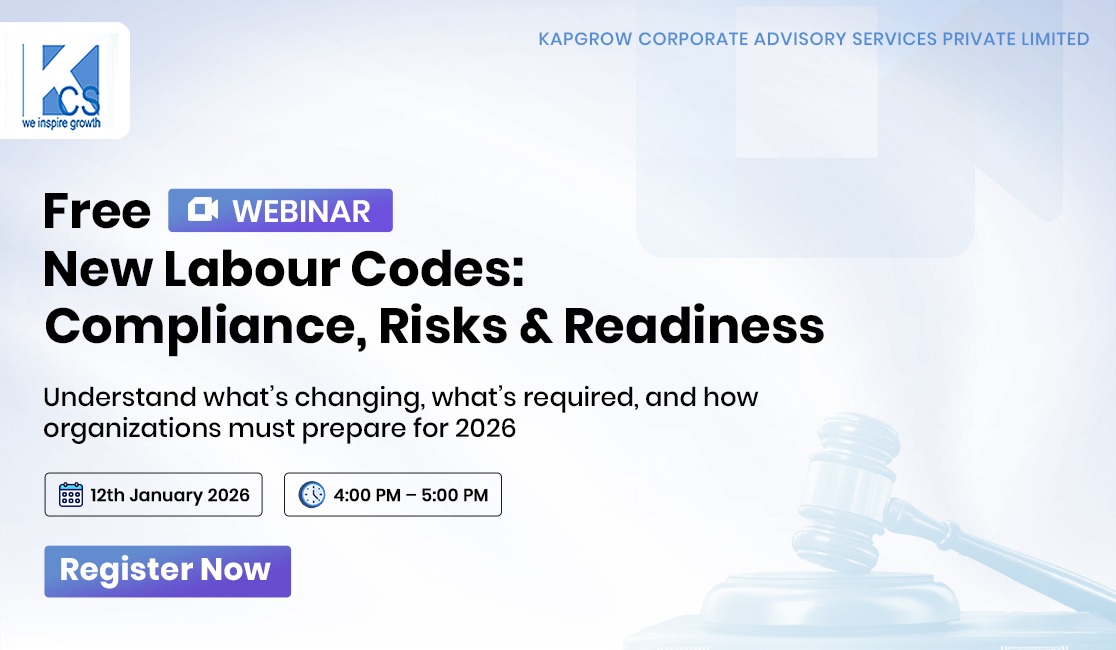
Kapgrow is hosting a FREE Workshop on January 12th, 2026 (4:00 PM - 5:00 PM). We aren't just going to read the law to you. We’re going to show you:
- The "Must-Knows": Key highlights that actually impact your day-to-day.
- The Compliance Roadmap: Step-by-step instructions for businesses to transition.
- Risk Management: Removing the common traps that result in fines.
If you’re curious about how the new labour code implementation affects you or your company, this workshop is the perfect opportunity to get clarity from experts.
How to Join Us
Securing your spot is easy. Head over to the Kapgrow website and register for the free session. Whether you’re a business owner, an HR leader, or an employee curious about your new rights, this is the best way to get ahead of the curve for 2026.
Why Attend this workshop?
- No Jargon: Get the facts in a language you actually speak.
- Direct Answers: Get your specific doubts cleared by experts.
- Community: Network with other professionals navigating the same changes.
The future of work in India has arrived. Don't let your business get left behind in the old system!