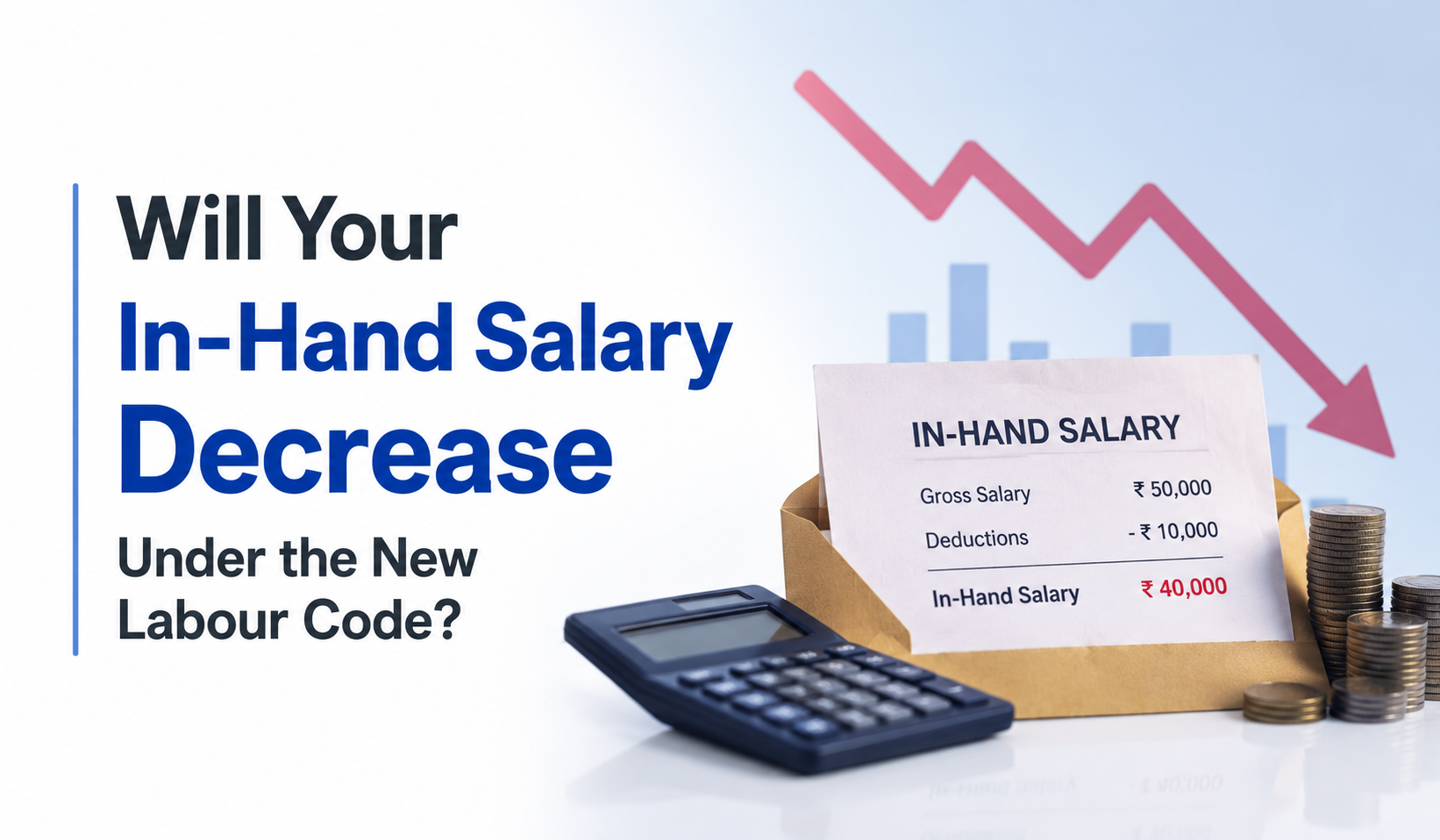




Finally the clarity that businesses were waiting for is here with the release of the detailed rules under new labour codes on 8th May 2026. Companies had been aware of the changes for months, but many weren’t quite sure how these labour codes would work on the ground. Now that the government has notified the rules, employers are beginning to realize that they can no longer put off preparing for compliance.
This isn’t just another policy update that sits quietly in a PDF document for HR teams and business owners. These rules will directly affect payroll structures, employee records, contracts, workplace policies and compliance management in general.
Centre Releases Rules Under All Four Labour Codes
The Ministry of Labour and Employment officially notified the rules under:
- Code on Wages
- Industrial Relations Code
- Occupational Safety, Health and Working Conditions Code
- Social Security Code
While the labour codes themselves were introduced earlier, the detailed rules now explain how organisations are expected to follow them practically.
This includes guidance on:
- Wage calculations and definitions
- Working hours and employee records
- Contract labour compliance
- Social security benefits
- Safety standards and inspections
For many companies, especially those operating across multiple locations, these changes may require a complete review of existing HR systems.
Why Businesses Are Paying Close Attention
A lot of organisations have realised that some long-followed practices may not fully align with the new framework anymore.
For example, wage structuring is one area that could impact PF, gratuity, and overall salary composition. Similarly, documentation standards and compliance reporting may now need tighter monitoring.
What makes this important is the fact that labour compliance issues usually don’t become visible immediately. Problems often surface later during inspections, disputes, or audits and by then, fixing gaps becomes much more stressful and expensive.
That’s why companies are beginning to take these rules more seriously now instead of waiting for enforcement notices.
Areas Employers Should Review Immediately
Many HR professionals are already revisiting internal policies after the 8th May notification.
Some important areas include:
- Salary and wage structure alignment
- Employee appointment letters and contracts
- Attendance and wage record formats
- Leave policies and overtime calculations
- Contractor compliance documentation
- Social security coverage and contributions
Even businesses with strong HR systems may still need small adjustments to remain fully compliant under the updated rules.
Practical Understanding Matters More Than Theory
One challenge many employers face is that reading legal notifications alone often creates confusion instead of clarity. The language can feel technical, and interpretation becomes difficult without practical examples.
This is exactly why knowledge sessions and industry discussions around labour code implementation have become more important recently.
Kapgrow has been actively helping organisations understand these changes in a more practical way. Their recent webinar, “Decoding New Labour Code Rules: From Policy to Practical Implementation,” held on 21st May 2026, focused on real workplace scenarios rather than only legal explanations.
The session covered:
- Compliance readiness
- Common employer mistakes
- Documentation requirements
- Risk areas companies often overlook
- Step-by-step implementation guidance
Many participants appreciated the fact that the discussion stayed practical and easy to understand instead of overly legal or theoretical.
Waiting Too Long Could Create Unnecessary Risks
Some businesses still believe they have enough time before strict implementation begins. But the smarter approach is usually to prepare early.
Small compliance gaps tend to grow into larger issues when ignored. A missed update in wage structure or improper employee records may later lead to penalties, disputes, or inspection complications. Preparing gradually now is far easier than rushing corrections later under pressure.
The notification of the new labour code rules on 8th May 2026 marks an important shift for employers across industries. The focus has clearly moved from discussion to implementation. Now is a good time for businesses to review policies, strengthen documentation and ensure teams understand the practical side of compliance. Companies that start preparing early will likely face fewer disruptions later.
Kapgrow continues to support organisations through this transition by simplifying labour law compliance and helping businesses understand what these changes actually mean in real working environments.